
How to Choose the Right Builder, Not Just the Right Project
Track record, delivery history, and financial stability matter more than a glossy sample flat. Here is how to evaluate a builder properly.
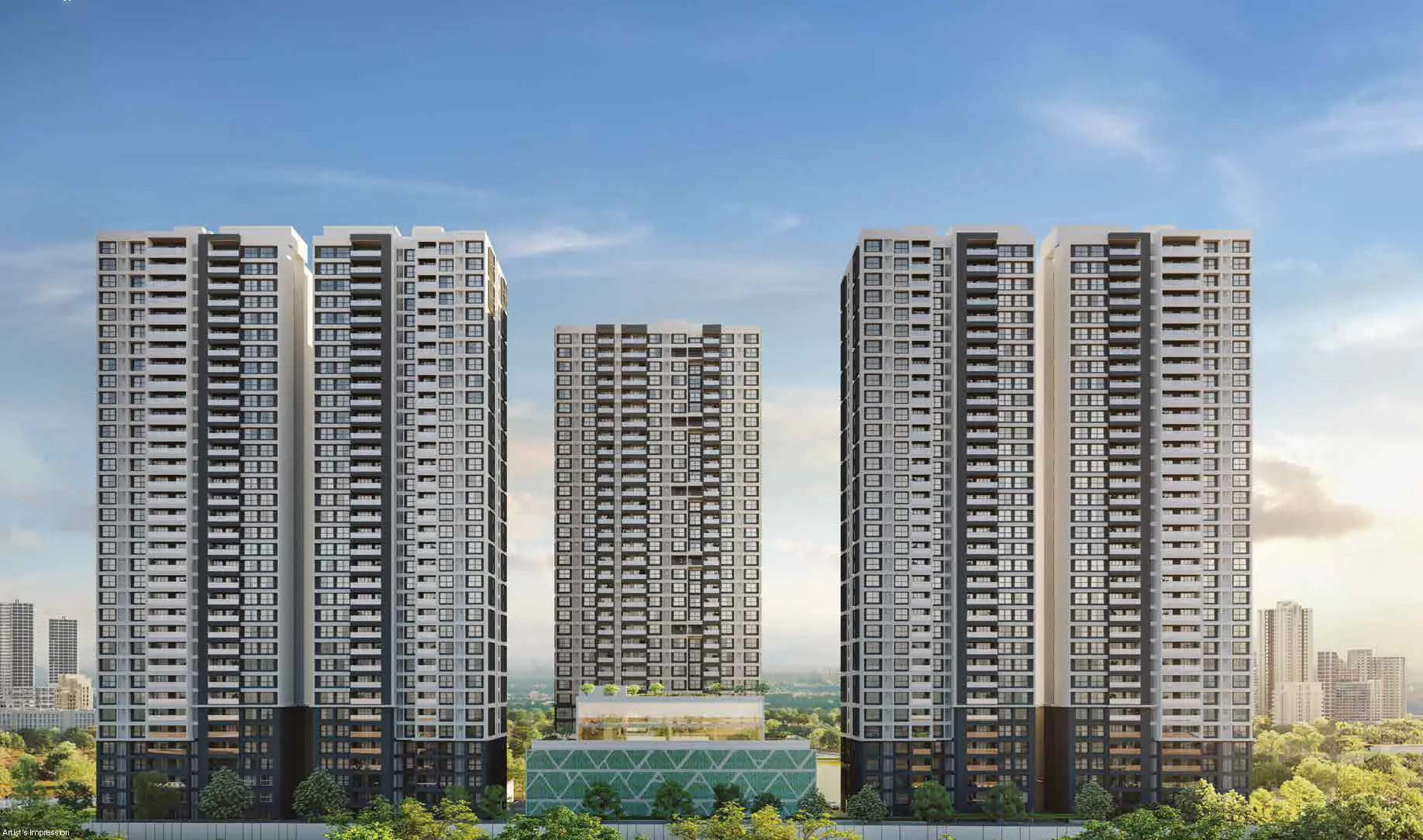
It is easy to fall in love with a location, a sample flat, or a rendering, and only think about the builder afterward. That ordering is backwards. A dependable builder in an average location will usually serve you better than a struggling one in a great location, because the builder determines whether the project you booked is actually the project you receive, on time and to the specification promised.
Look at delivery history, not brochures
Ask for a list of the builder's completed projects, and if possible, visit at least one that is a few years old. This tells you two things a new launch cannot: how the buildings and common areas have aged, and whether the builder's declared possession dates on past projects were realistic. A pattern of consistent delays across previous projects is a far more reliable signal than anything in a current sales pitch, and is worth weighing more heavily than a single well-executed showcase project.
It also helps to ask how many projects the builder currently has under construction simultaneously. A developer juggling several large launches at once may be spreading site management attention, contractor capacity, and cash flow thinner than one focused on fewer, better-supervised projects — this is not automatically disqualifying, but it is a reasonable question to ask directly.
Check litigation and RERA complaint history
The state RERA portal typically lists complaints filed against a registered project or promoter. Beyond RERA, a basic search for the builder's name alongside terms like "dispute" or "delay" can surface consumer forum cases or news coverage. One complaint in isolation may not be disqualifying, but a recurring pattern across multiple projects is worth taking seriously, particularly if the complaints relate to possession delays or discrepancies between promised and delivered specifications.
Understand the builder's financial structure
Some builders are listed companies with public financial disclosures; many are private, and financial visibility is limited to what they choose to share. It is reasonable to ask directly how the current project is being financed — through bank construction finance, buyer collections, or a joint development agreement (JDA) with a landowner. A JDA in particular is worth understanding clearly, since it affects who holds the underlying land title and how approvals are structured between the landowner and the developer. Ask specifically whether the project has bank construction finance in place, since lenders typically conduct their own due diligence on the developer and the project's approvals before extending funding, which is a useful independent check beyond your own research.
Construction quality signals during a site visit
- Compare the finish level of the sample flat against the actual under-construction units nearby, not just the show flat
- Look at the quality of shared spaces already built — lobby flooring, staircase finishing, and landscaping in earlier phases if the project is being developed in stages
- Ask which brands are used for fittings, wiring, and plumbing, and whether these match what is listed in the agreement
- Check the structural stage against the declared construction timeline to see if progress is realistically on track
After-sales and society handover track record
A builder's job does not end at possession. Ask how the builder has historically handled society formation and maintenance handover on earlier projects — this is often where disputes emerge, particularly around common area maintenance charges before a resident's association is formally handed control. Speaking to residents of an older, completed project by the same builder, if you can arrange it, is one of the most useful diligence steps available and is rarely done by buyers. Ask specifically how long it took for the earlier project's society to be registered and handed operational control, since builders sometimes retain maintenance control, and the associated charges, for longer than buyers expect.
Red flags worth taking seriously
- Reluctance to share a list of previously completed projects or to allow a visit to one
- Multiple RERA registration extensions on the current project before construction even appears to be at an advanced stage
- Verbal promises about amenities, specifications, or timelines that are not reflected in the written agreement
- Pressure to book quickly with discounts that expire the same day, which discourages the due diligence covered in this guide
How much weight to give online reviews
Online reviews and forum discussions about a builder can be a useful starting point, but treat them as leads to investigate rather than conclusions to trust outright. Reviews can be incentivised in either direction, and a handful of very vocal complaints do not necessarily represent a builder's overall track record any more than a handful of promotional testimonials do. Where possible, corroborate anything you read online with an independent conversation, ideally with a current resident of one of the builder's completed projects, rather than relying on anonymous comments alone.
Comparing more than one builder in the same corridor
It is worth shortlisting more than one builder active in the same corridor and comparing not just price, but specification depth, payment schedule flexibility, and how directly each one answers your due diligence questions. A builder who answers plainly, with documentation to back it up, is telling you something about how they are likely to handle a dispute later — and a builder who deflects the same questions, or grows impatient with them, is telling you something too.
Questions to ask directly
Bring a written version of these to your first serious conversation with the sales team, and pay attention to how completely each one is answered.
- How many projects have you delivered in the last five years, and were possession dates met?
- Can I visit a completed project from your portfolio that is at least two to three years old?
- Who is financing this project, and is it registered under a joint development agreement?
- What is the process and expected timeline for society formation after possession?
- Are there any pending RERA complaints or consumer disputes involving this project or promoter entity?
The bottom line
A project's marketing material is designed to be persuasive; a builder's delivery history is not. Weigh the second far more heavily than the first, and be willing to walk away from a well-located project if the builder's track record does not hold up. Habitation Oracle works only with builders whose track record we have reviewed independently, precisely because this step is the one buyers are least equipped to do alone.