
Common Mistakes Homebuyers Make (and How to Avoid Them)
The recurring, avoidable mistakes that cost buyers money, time, or both — and how to sidestep each one.
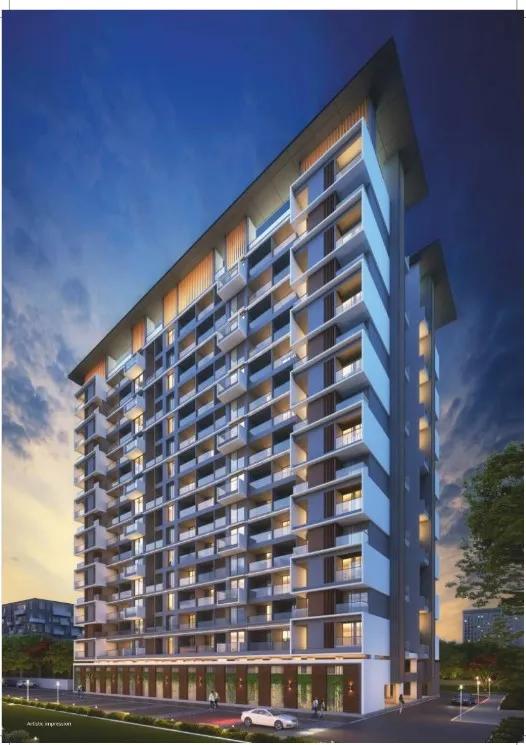
Most homebuying mistakes are not unusual or unpredictable — the same handful of errors show up again and again, across buyers, budgets, and cities. None of them require special expertise to avoid. They mostly require slowing down at a few specific points in the process where excitement tends to override caution, and knowing in advance which points those are. The list below is roughly in the order these mistakes tend to occur, from the earliest budgeting stage through to the years after possession.
1. Underestimating the all-in cost
Buyers frequently budget against the base sale price alone and are caught off guard by stamp duty, registration, GST, parking charges, and society deposits on top of it. By the time these add up, some buyers find themselves short on funds for interiors or forced to borrow more than originally planned. Work out the full cost before you shortlist, not after you have chosen a flat, and keep a written breakdown rather than a mental estimate.
2. Skipping RERA verification
It takes a few minutes to check a project's registration status on the state RERA portal, yet many buyers rely entirely on the sales team's verbal assurance instead. Verify it yourself, every time, regardless of how established the builder appears to be — reputation is not a substitute for an active, verifiable registration and a clean disclosure history.
3. Not reading the agreement for sale carefully
The possession clause, penalty for delay, and payment schedule are all negotiable before signing and effectively fixed afterward. Buyers under time pressure at the booking desk often sign without reading the full document, and only revisit it once a dispute has already arisen. Read the draft agreement in full, ideally with a lawyer, rather than skimming it under time pressure at the booking stage.
4. Choosing the project over the location context
A well-marketed project in a corridor that does not suit your commute or lifestyle will remain a poor fit no matter how good the amenities are. This mistake is especially common when buyers are shown an impressive show flat before they have decided which corridor genuinely works for their daily routine. Decide on the micro-market first, based on your actual commute and needs, and compare projects within it afterward.
5. Confusing carpet area with built-up or super built-up area
These are three different numbers, and comparing a project quoted on one basis against another quoted on a different basis leads to an unfair comparison that can make a smaller, more expensive unit look like better value than it is. Insist on the carpet area figure, which is the legally defined and RERA-mandated basis for pricing, and use it consistently whenever you compare two projects.
6. Not checking the builder's litigation and delivery history
A single glossy sample flat says very little about whether a builder delivers on time. Buyers who skip this check often only discover a builder's pattern of delays after they are already several years into waiting for possession, by which point their options are limited to waiting further or pursuing a RERA complaint. Look at completed projects, not just the current launch, and check for any pattern of complaints or disputes before booking.
7. Rushing the home loan process
Applying for a loan only after falling in love with a specific flat leaves no room to compare lenders or negotiate terms, and can leave you accepting the first offer out of time pressure. Get a pre-approval early, and compare more than one lender's spread and fees before committing to a specific one.
8. Ignoring resale and rental depth
Even buyers planning to live in a home for decades benefit from checking how liquid the local resale and rental market is, since life circumstances change more often than people expect at the time of purchase — a job change, a growing family, or a relocation can all shorten a holding period that was originally meant to be permanent. A corridor with thin resale activity can make an eventual sale far harder and slower than expected, even if the property itself is in good condition.
9. Visiting the site only under builder-arranged conditions
Scheduled visits are often timed for good light and quiet traffic, and accompanied by a sales representative who steers attention toward the project's strengths. Visit unannounced, at a different time of day, and if possible on a weekday, to see the site under more typical conditions and form your own impression.
10. Not budgeting for post-possession costs
Maintenance charges, society formation costs, and interiors are all incurred after you already feel financially committed from the purchase itself, and buyers who have spent their entire budget on the booking and payment schedule are often caught off guard by them. Budget for them from the start, not as an afterthought once possession arrives.
11. Letting emotion drive the final decision
It is natural to feel emotionally invested after multiple site visits and conversations with a sales team, but the biggest financial decision of your life deserves the same discipline you would apply to any major investment. If the numbers, the builder's track record, or the paperwork raise a genuine concern, it is worth pausing even after significant time has already been invested in a specific project — time already spent is not a reason to overlook a red flag you would otherwise take seriously.
The bottom line
Every mistake on this list is avoidable with a bit of patience at the right moment — usually right before a payment is made or a document is signed. None of them require special financial expertise, only the willingness to slow down at the point where most buyers speed up, and a checklist to remind you where those points are. If you would like a second opinion on a shortlist or a specific agreement before you commit, that kind of review is a core part of what Habitation Oracle's advisory conversations cover.